
In this article 8 sections
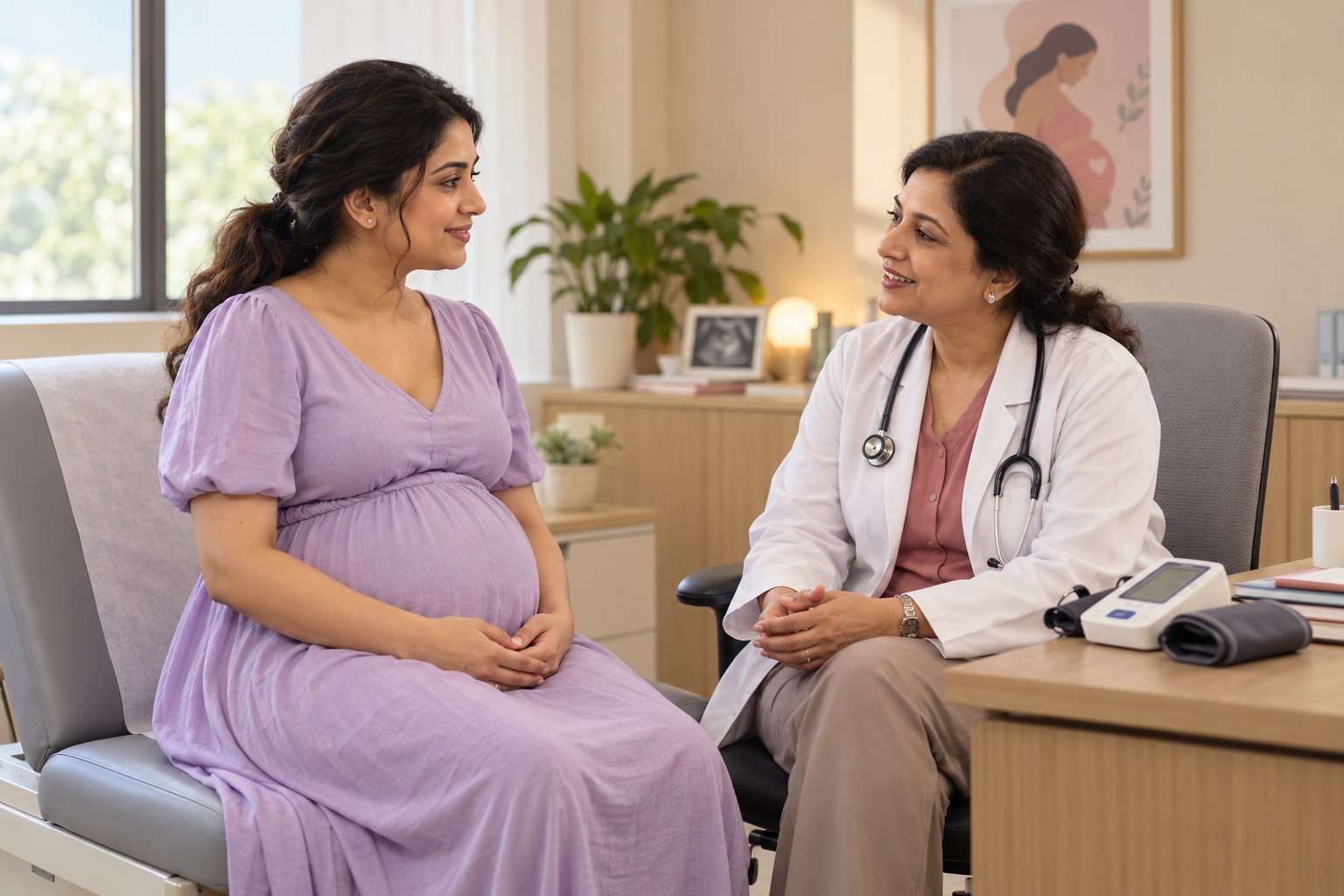
Blood pressure checks are part of pregnancy care even when you feel well. High blood pressure may cause no symptoms, but it can affect your health and your baby's growth. Regular appointments help your doctor identify changes early and plan the monitoring or treatment you need, including after your baby is born.
High blood pressure can begin before or during pregnancy
High blood pressure that was present before pregnancy, or is identified before 20 weeks, is usually called chronic hypertension. If it first develops after 20 weeks in someone whose pressure was previously normal, it may be called gestational hypertension.
Your doctor uses repeated measurements and other checks to understand the pattern. A top number of 140 or higher, or a bottom number of 90 or higher, is considered raised in pregnancy. Both numbers do not have to be high. Your doctor will explain what the readings mean for your care.
Understanding preeclampsia
Pre-eclampsia is a pregnancy complication that usually develops after 20 weeks. It involves high blood pressure alongside signs that organs or the placenta are being affected. Protein in the urine is a common finding, but pre-eclampsia can also occur without it.
It can affect the kidneys, liver or blood clotting and may interfere with the baby's growth. Someone who already has chronic hypertension can also develop pre-eclampsia. This is why an assessment involves more than looking at the blood pressure number alone.
Regular checks look after you and your baby
Attend all pregnancy appointments, including extra reviews recommended because of high blood pressure. Your doctor may arrange urine tests, blood tests and additional ultrasound scans to check your baby's growth. The frequency depends on your results and how the pregnancy is progressing.
If home monitoring is part of your plan, use a monitor suitable for pregnancy with the correct cuff size. Ask for a demonstration and written instructions about when to measure, which readings to report and whom to contact outside clinic hours. Home checks support your appointments rather than replacing them.
Warning signs need attention straight away
Contact your maternity unit or doctor immediately for a severe or persistent headache, blurred vision or flashing lights, pain below the ribs, sudden swelling of the face or hands, or feeling very unwell. Do not wait until your next appointment or rely on a reassuring home reading to dismiss these symptoms.
Chest pain, severe difficulty breathing, a seizure or collapse need emergency medical help. Seek urgent maternity assessment if your baby's usual movements slow down or stop. These changes need checking even when you do not know your blood pressure.
Pregnancy has a lower threshold for severely high readings
A top number of 160 or higher, or a bottom number of 110 or higher, needs urgent medical assessment during pregnancy or in the weeks after birth. Contact your maternity unit immediately, even if you feel well. Do not wait for the higher emergency thresholds used in general adult blood pressure advice.
Less severe raised readings also need attention. Follow your doctor's reporting plan and seek prompt advice if you do not have one. Do not spend hours repeating measurements in the hope of getting a lower result.
Treatment is chosen specifically for pregnancy
If you already take blood pressure medicine, ask your doctor to review it before trying to conceive. If you discover you are pregnant, contact them promptly because some medicines need changing. Your doctor will select treatment that takes your health and pregnancy into account.
For some women at higher risk of pre-eclampsia, a doctor may prescribe low-dose aspirin to reduce that risk. It is not suitable for everyone and should not be started independently. Follow the prescribed dose and timing, and discuss any side effects or concerns with your doctor.
The birth plan depends on how the pregnancy progresses
Your doctor will discuss when and how your baby should be born, based on your blood pressure, test results and the baby's wellbeing. Pre-eclampsia sometimes makes an earlier birth the safer option. High blood pressure does not automatically mean a caesarean birth; the plan depends on your individual circumstances.
Care continues after the baby is born
Pre-eclampsia can first appear in the days or weeks after birth, including after a pregnancy with normal blood pressure. The same warning symptoms still need immediate attention. When seeking help, tell the doctor how recently you gave birth.
Before going home, confirm your blood pressure check schedule, medicine instructions and follow-up appointment. Mention breastfeeding so your treatment can be reviewed appropriately. A history of pre-eclampsia also increases the risk of high blood pressure and heart disease later in life, so keep it in your medical history and discuss ongoing checks with your doctor.